Commercial School Roofing in Aurora, IL
Property Types We Roof
Set the school roof scope around the campus calendar
A ceiling leak discovered before the first class can require a roof inspection before students return to the room. We identify the interior area, trace likely entry points and coordinate access with the school facilities contact. Aurora's two public school districts are among the city's largest employers, reflecting the scale of local education operations. That fact does not identify any campus condition or roof type. We document the actual assembly, repair boundary and protection needed for each school building.
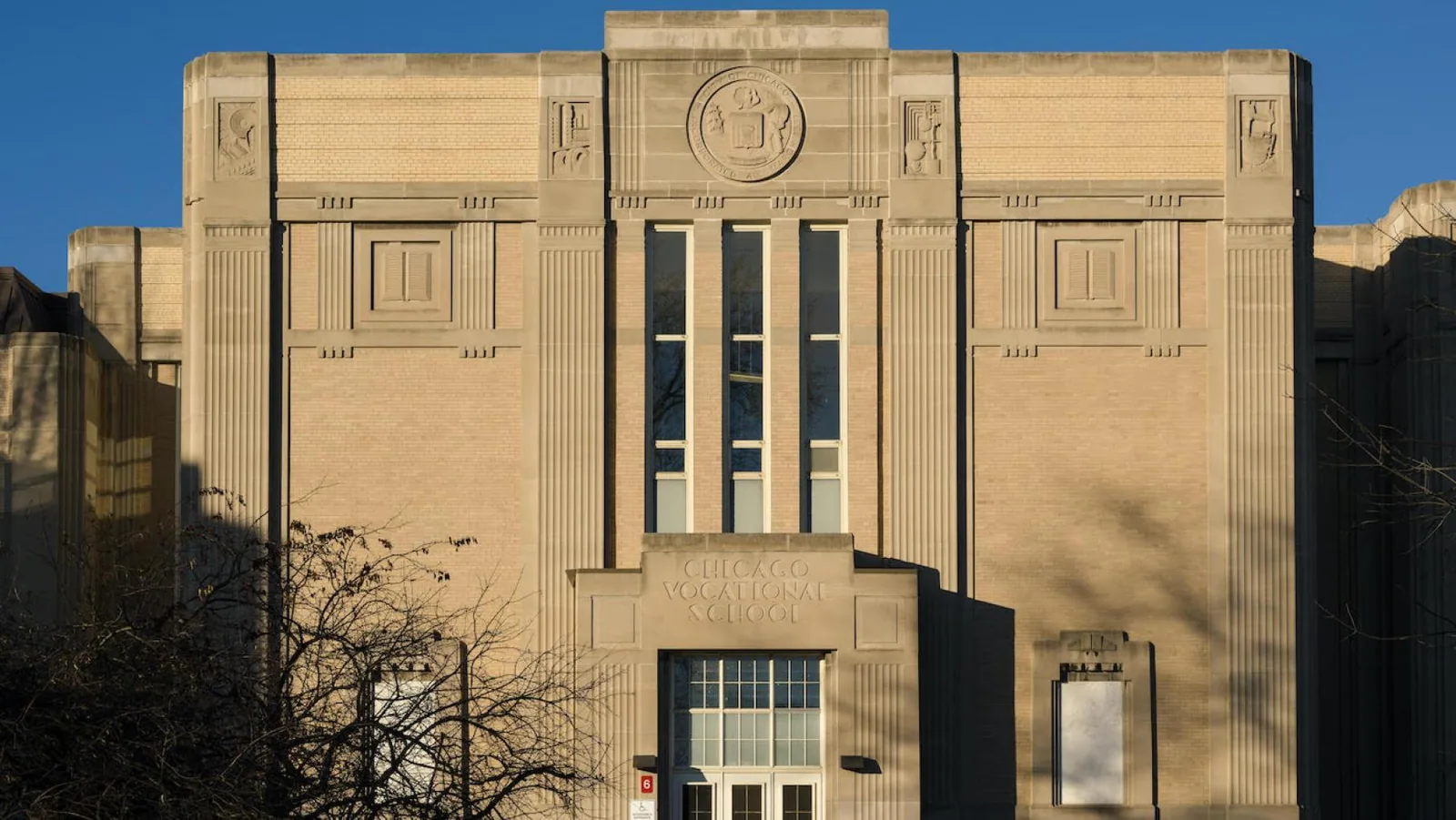
A campus may include classrooms, offices, gyms, cafeterias, libraries, mechanical rooms and separate additions with different roof histories. We review the roof plan and school calendar, then mark sections that can be inspected or repaired during approved windows. Near Aurora University main campus or Waubonsee Sugar Grove Campus, regional education activity is a useful context, while the district identifies its own access and student-protection needs. A roof inspection sets a dated condition record before work begins.
Which rooms need roof protection?
For a classroom stain, match the room and date to the roof drawing, then trace uphill from the ceiling mark to the nearest drain, curb or seam. Water may travel before it appears in a ceiling tile, so we record the interior observation separately from the likely opening. Seams, drains, skylights, exhausts, curbs, edge details and prior repairs each receive a section reference. The report notes areas that could not be inspected because of a locked roof hatch, equipment or site restrictions.
Schools often have rooftop HVAC, kitchen exhaust, gym ventilation, communications equipment and walking paths used by service vendors. We inspect those details for flashing failure, support movement and membrane wear. Suspected moisture is tested and mapped before insulation quantities are set. Infrared readings may help select core locations, but they do not prove wet material. A moisture survey can guide confirmation, and the report separates tested areas from any remaining assumption.
How does the academic calendar shape the sequence?
The facilities team identifies student arrival, dismissal, summer programs, athletics, deliveries and any dates when roof access must be restricted. We plan noisy work, lifts, interior coverings and material routes around those activities. Each phase names its roof section, rooms below, daily closeout and point of contact. If a school remains occupied during construction, the schedule states which entrances or play areas require temporary controls and how staff receive notice.
Aurora's heavier-rain period generally spans May to September, when monthly totals run higher than the annual average; dry-in planning should account for school calendars and the forecast. Summer break may create additional access, but weather still governs how much roof can be opened at once. We set dry-in boundaries and check drains before a shift ends. An occupied-building plan can coordinate work with staff while keeping the campus open. The district contact confirms the dates and access restrictions before materials are staged.
When should a school roof move to replacement?
A local seam, flashing or drain failure may be repaired when adjacent membrane and insulation remain sound. Recurring leaks, widespread wet material or failed attachment can support a section or full replacement. We compare the inspection, test results, past repairs and roof plan, then identify which quantities are confirmed. The report separates immediate classroom protection from the capital decision so an urgent leak does not imply a roof-wide failure.
Recover eligibility depends on moisture, attachment, deck condition, code and the height of curbs and drains. A recover assessment checks those conditions. If insulation or drainage must change, assembly planning identifies transitions and tapered areas. A college and university roof review or church roof assessment may involve different calendars, but each school building keeps its own condition band and approved quantity.
What must be secured below a school roof?
Before work, school staff identify classrooms, libraries, computer rooms, food service, student areas and equipment below the active section. We agree on interior protection, noise limits, debris routes and any temporary closure. If an air intake or kitchen exhaust lies near the work, the facilities contact confirms operating controls. These campus directions are written into the site plan, so the crew does not treat every school as if it had the same bell schedule or room sensitivity.
Drains and scuppers remain clear during tear-off, and materials are staged away from entrances and student routes. We check the roof section at each shift end, secure open edges and record the next day's work area. A drainage review can identify outlet problems before the new membrane closes them in. If equipment movement is needed, the district coordinates a qualified mechanical trade. The roofing file records access, protection and who accepted the building area after completion.
What should district facilities keep on file?
Keep roof plans, assembly data, leak reports, test locations, equipment maps, school calendars and prior repairs in the project record. Each work order identifies the section, approved quantity, materials, date and photo references. Closeout shows completed details, concealed findings, areas left for observation and the next inspection date. A facilities manager can use this record to connect a later classroom report with the correct roof section and repair history.
Aurora's public education system includes two districts that rank among the city's largest employers. Their staffing scale signals significant facility operations, but each school roof still needs its own verified plan, access rules and condition record. A condition report carries tested areas and open items into the next review. A capital plan can sequence approved school quantities around budget and academic windows.
Can crews work during the school day?
Work during occupied hours depends on the district’s approved access, noise limits, student routes, interior protection and selected roof section. The school contact identifies spaces that remain open and any required separation. We sequence deliveries and daily closeouts around those controls, then adjust the work area if weather changes the plan.
Is summer break the best time to replace a school roof?
Summer can open more work time, but rain, program schedules, material requirements and project scope still shape the sequence. The roof plan should identify protected areas, daily closeout and any date when staff need rooms ready for use.
How do you protect classrooms from water during tear-off?
We map rooms below each section, agree on coverings and identify the authorized contact before opening the roof. Work proceeds in sections that can be made watertight within the planned shift. If concealed damage changes the opening, the crew secures the area and requests direction before extending the quantity.
What roof records should a school district maintain?
Keep section plans, core results, leak reports, repair quantities, product data, photos and closeout notes together. Add the school calendar and access rules used for each project. Those records help the next facilities manager compare current observations with what was tested or repaired.
Do all buildings on a campus share one roof condition?
No. Additions, gyms, kitchens and classroom wings may have different assemblies and repair dates. We inspect and document each section separately, then summarize campus priorities without applying one building's test results to another. The report identifies areas not inspected or tested.

Request a Roof Assessment
Provide the Aurora address, district facilities contact, roof plans, leak reports and academic calendar. We will map conditions and approved quantities with student protection, access and dry-in requirements included.
Call 555-555-5555 or send the form and we will set a time to walk the roof.