Commercial Rooftop Equipment Curbs and Supports in Aurora, IL
Commercial Roofing Services
Coordinate the roof detail with the equipment record
A pipe support that rocks under a service line can abrade the membrane before a leak reaches the tenant space. We inspect the support base, curb flashing and adjacent walking path, then record whether the movement has damaged the roof surface. Aurora's average of about 121 days below freezing each year adds repeated movement to details where water enters and freezes. The repair decision depends on the support and membrane condition, not on equipment age alone. Each unit and support is mapped to its roof section.
Buildings near Aurora Municipal Airport's industrial district or North Aurora's I-88 employment area may have dense rooftop equipment, but site-specific inventories guide the inspection. We note unit identifiers, service clearances, curb heights, pipe routes and any owner restrictions before moving equipment or supports. A roof inspection sets the approved repair quantity and identifies where testing or mechanical coordination must come first.
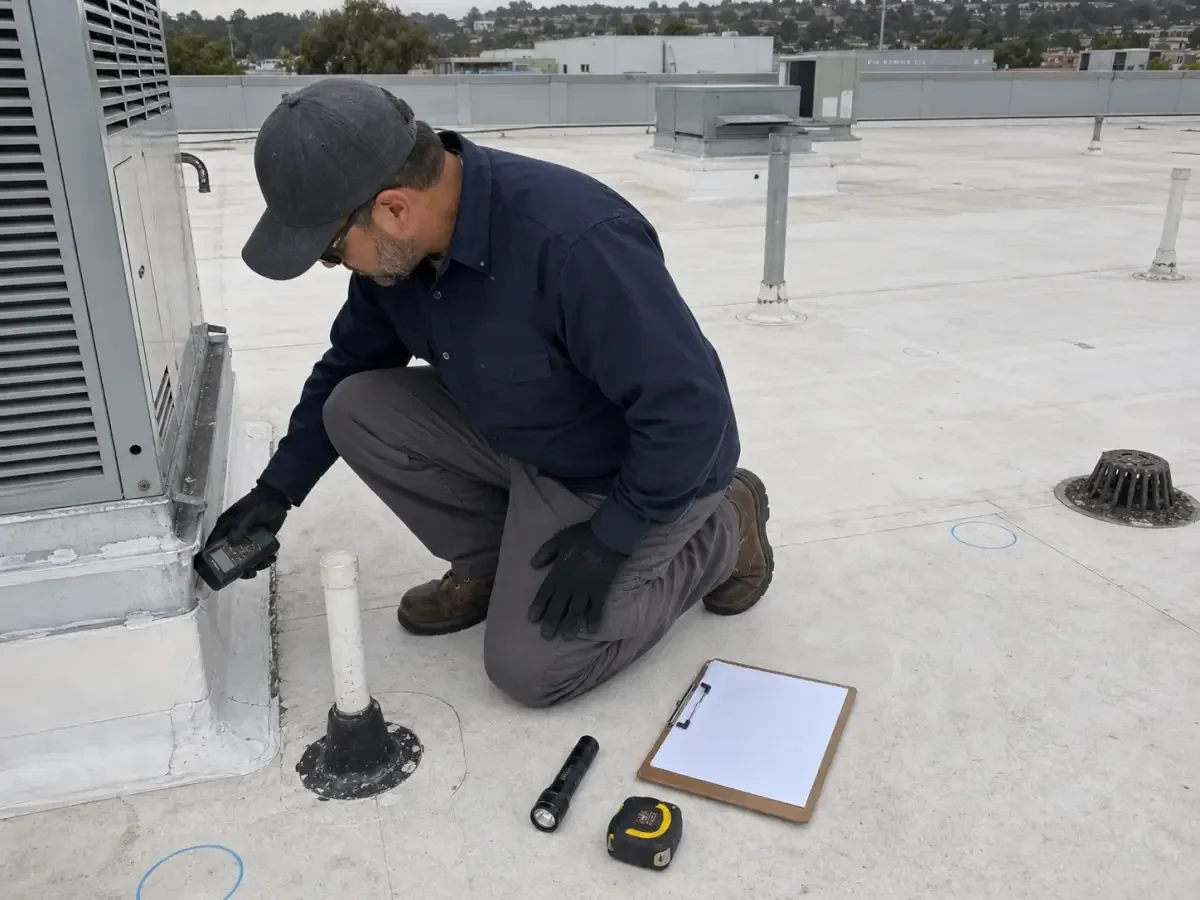
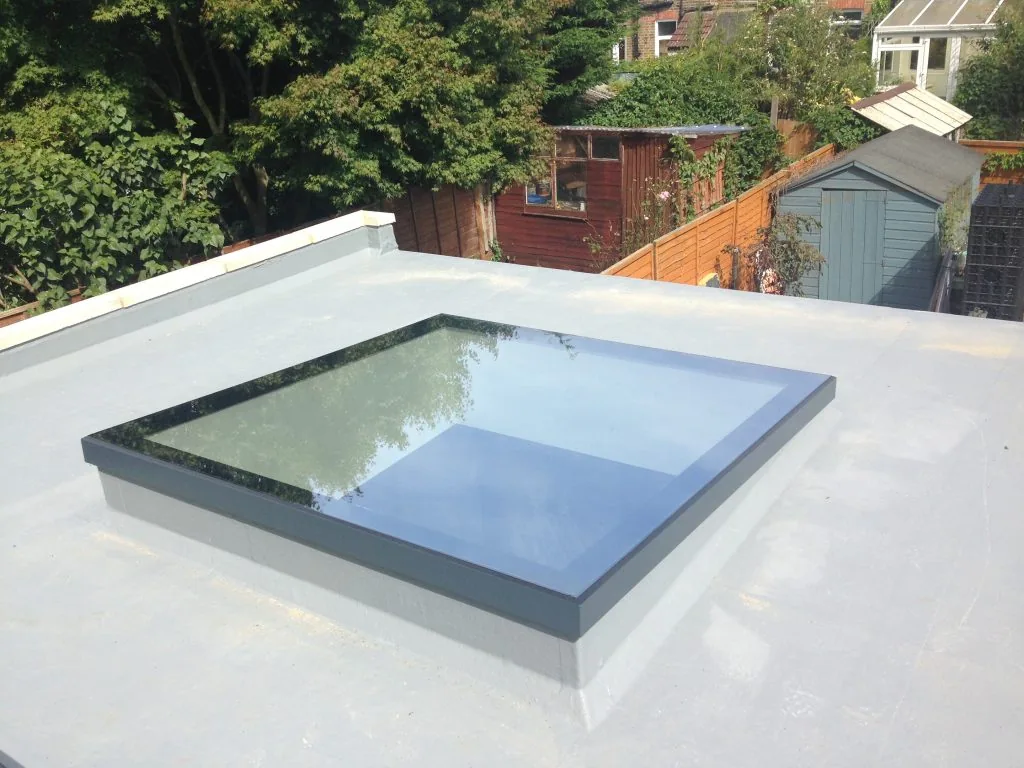
Which support or curb is affecting the roof?
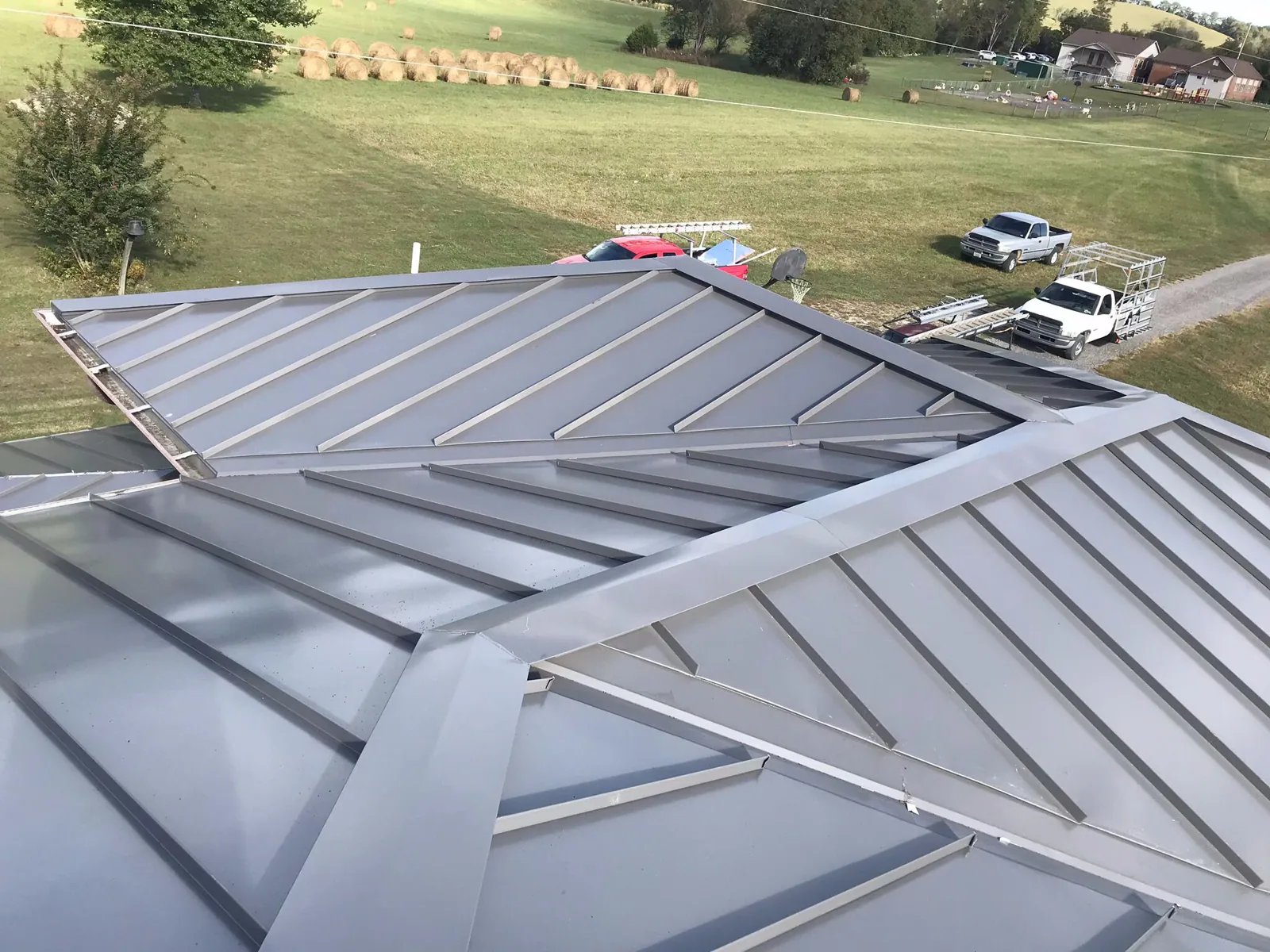
At each unit, we check flashing corners, counterflashing, curb attachment, fasteners, sealant and the membrane tie-in. We look for open seams, metal movement, deteriorated boots, water staining and wear where technicians travel. The support itself should carry its load without sharp contact, trapped debris or movement across the membrane. We photograph the detail with a unit or grid reference. If a line hides the support base or access is restricted, the report marks that inspection limit rather than assuming the condition is sound.
Equipment drains, condensate lines and electrical conduits create additional roof openings. We inspect their boots and terminations separately from the primary curb, since a nearby failure may produce a similar interior symptom. If rooftop work by another trade recently occurred, service dates and work orders can help locate changed conditions. Mechanical disconnects and adjustments are coordinated with the owner and responsible trade. The roofing scope identifies any curb or support repair that needs a mechanical contractor to move, shut down or recommission equipment.
Can the detail be repaired without moving the unit?
A curb with sound structure and sufficient flashing height may support a localized membrane repair. A low curb, corroded metal, loose attachment or deteriorated substrate can require curb modification or replacement. The equipment connection and service clearances determine whether a unit must be lifted or temporarily removed. We record those dependencies before estimating so the owner can distinguish roofing labor from mechanical disconnect and reconnection. A penetration flashing review can address related pipe or conduit openings along the same roof section.
Support pads should distribute loads and avoid cutting or abrading the membrane. We check whether a pipe shoe, sleeper or equipment stand remains stable and whether it can be inspected without relocating the load. Where support movement has damaged the roof, we map the area and define the repair beneath it. A membrane puncture repair may be appropriate after the load is safely moved; replacement supports or structural changes require the relevant design and trade input.
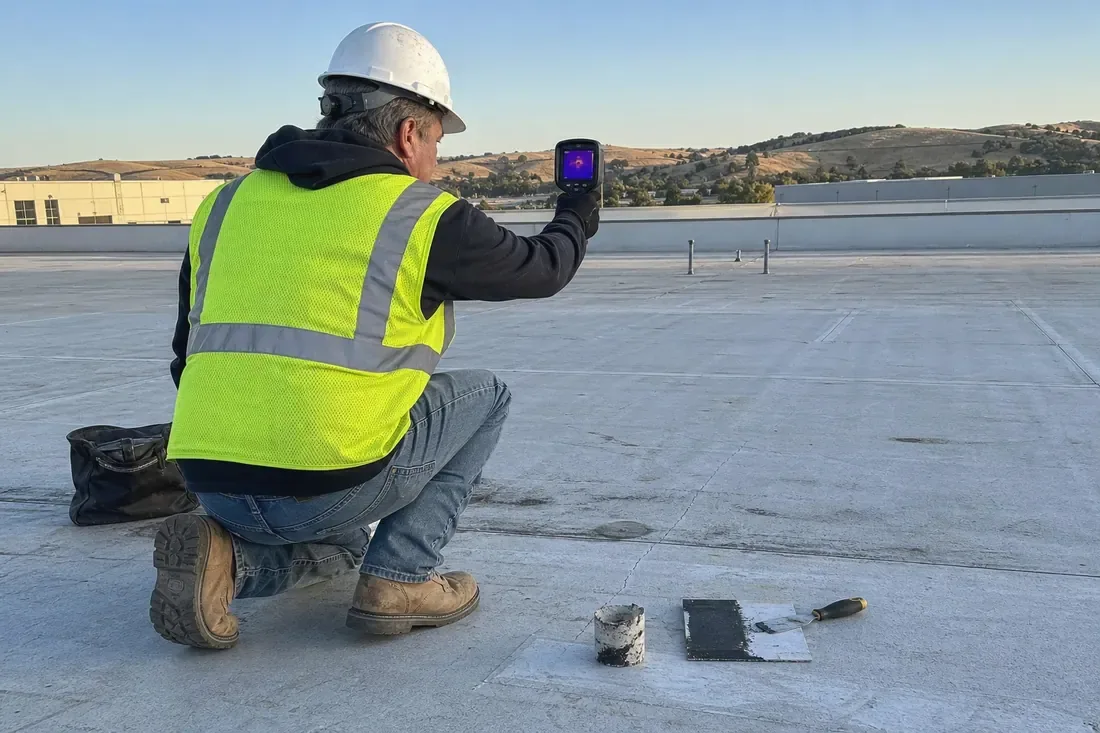
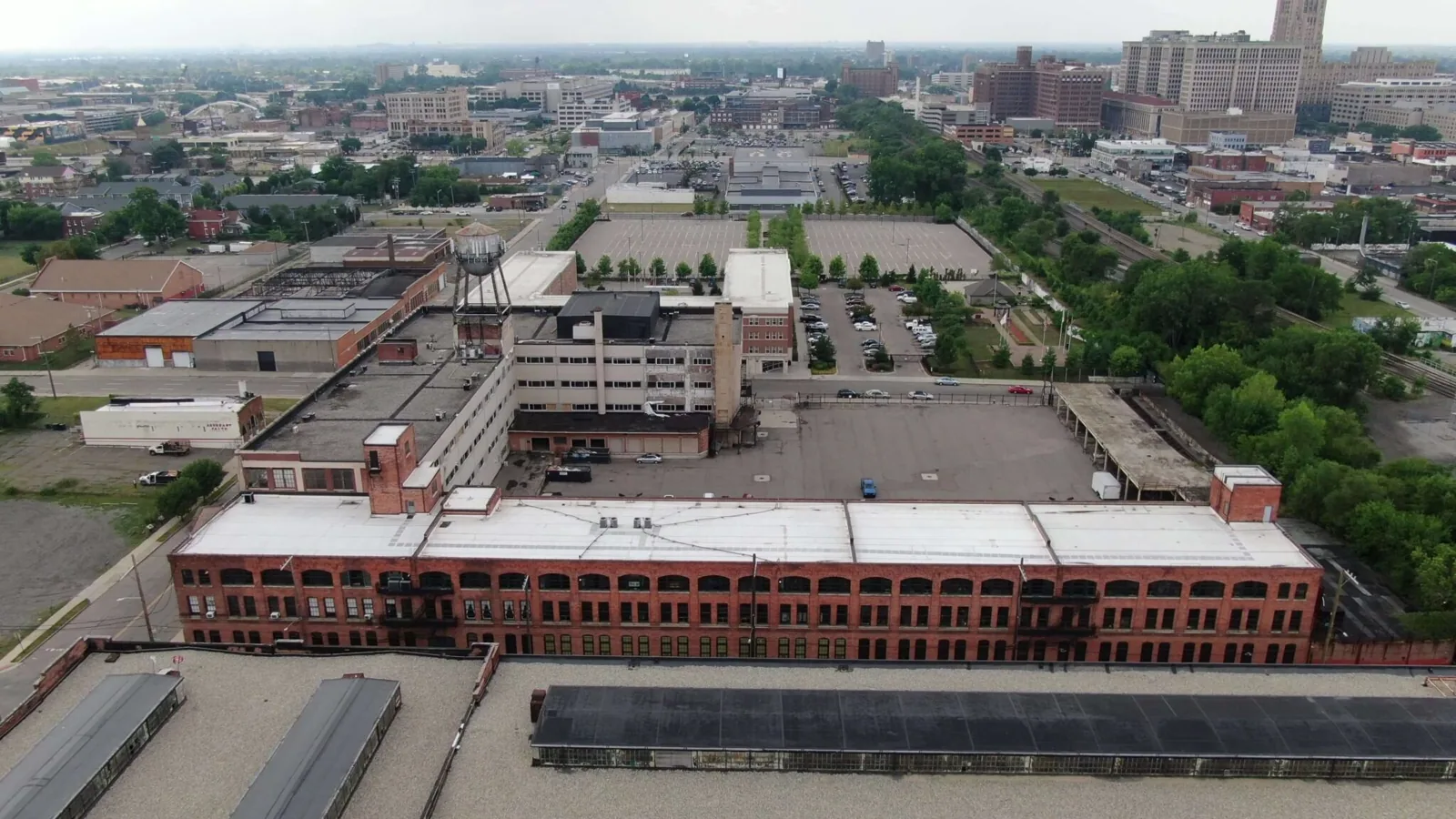
What sets the equipment-detail quantity?
Cost follows the number of curbs and supports, their access, flashing height, surrounding membrane condition, unit weight and coordination needed to protect the facility's operations. We itemize each group by roof section and identify where mechanical labor or a lift is a separate requirement. If insulation or deck condition cannot be seen until a curb is opened, the estimate states the allowance and how any added quantity will be measured. That keeps a small flashing repair distinct from an equipment replacement project.
Aurora receives about 37.7 inches of precipitation annually, with wetter monthly conditions from May through September. A curb opened during a wet forecast requires a dry-in sequence and a protected shift boundary. We coordinate service dates, roof access and any shutdown with the facility contact, then schedule around the approved equipment plan. For occupied facilities, an operations sequence can identify entrances, interior protection and communication windows while roof work proceeds.
How should roofing and mechanical work meet?
Before mobilization, the owner identifies who controls each unit, which equipment may be shut down and the sequence for disconnect and reconnection. We review roof access, lifting points and clearance for material handling. A curb modification may affect ducts, lines or electrical connections; we document those interfaces and request design or mechanical input before changing dimensions. If equipment remains active, we plan the roofing work around that restriction and define the area that will remain accessible to service technicians.
For a facility near Aurora University or along the Eola Road commercial corridor, the site team identifies any critical cooling or ventilation units and when service can occur. Nearby institutions do not determine another building’s equipment schedule. The approved work order records the unit identifier, contact, sequence and temporary protection plan. These details reduce confusion between roofing and mechanical scopes and give the facility director a reliable record of completed curb and support work.
What should the closeout identify?
Closeout should list each repaired curb or support, roof section, material, detail, field change and any condition left for monitoring. Photographs show the original base, opened area, flashing tie-in and final termination. We record whether the equipment was moved and who confirmed its return to service. If support replacement or a mechanical modification remains outside the roofing scope, the record states that boundary. A condition report can preserve these references for the next maintenance visit.
Equipment additions can change membrane penetrations and walking paths over time. The next inspection should compare the current inventory with the closeout plan, check new supports and look for damage from service activity. For multi-site owners along I-88 or the Fox Valley retail corridor, a consistent unit reference helps prioritize repeat conditions without assuming the assemblies match. A roof asset record can track the section, repair date and follow-up window alongside equipment maintenance files.
Can you repair curb flashing while the rooftop unit stays in place?
Sometimes. We inspect curb height, flashing access and the condition of the surrounding membrane, then identify whether the detail can be opened and restored with the unit in place. If the unit blocks a complete tie-in or the curb needs modification, the owner coordinates a lift or mechanical disconnect. The scope states that requirement before scheduling.
Who moves rooftop equipment for a roofing repair?
The owner and mechanical contractor determine whether a unit can be shut down, disconnected or lifted. We coordinate the roof opening and flashing sequence with that plan, but do not move operating equipment without authorization and trade coordination. The work order names the responsible contact and the point when the area can be closed.
How do you distinguish a pipe-support problem from a membrane defect?
We inspect the support base, contact surface, membrane and adjacent seam together. Movement or abrasion may identify the cause, while a separate puncture or failed boot can require its own repair. Photos and section labels preserve each finding. If the load prevents access, we note the limitation and request a safe way to inspect it.
Will rooftop equipment work affect the roof warranty?
Warranty requirements depend on the existing system documents and proposed work. We review the records provided by the owner and identify any manufacturer or inspection process that must be followed. The closeout keeps product information and repaired locations together so the facility can retain the work history for later review.
What should we include in the equipment inventory?
Unit identifiers, locations, service contacts, planned shutdown dates and any access restrictions help coordinate the work. Roof plans and recent mechanical work orders can show where equipment or supports changed. We verify the inventory in the field and flag missing identifiers before the repair quantity is approved.
Request a Roof Assessment
Send the Aurora address, facility contact, roof plan and equipment inventory. We will map curbs and supports, document flashing conditions and identify mechanical coordination before issuing approved quantities.
Call 555-555-5555 or send the form and we will set a time to walk the roof.