Military Facility Roofing in Aurora, IL
Commercial Roofing Services
Set the roofing scope against the project requirements
A roof repair at a controlled site begins with the access plan as well as the damaged detail. We coordinate the approved entry process, work area, escorts and material movement with the contracting officer or facility representative named for the project. The Illinois Army National Guard lists an Aurora Readiness Center, identified as an armory rather than a flying mission or barracks. That building type sets different roof and operating questions from a hospital or maintenance facility. We inspect the actual assembly and follow the site's written requirements.
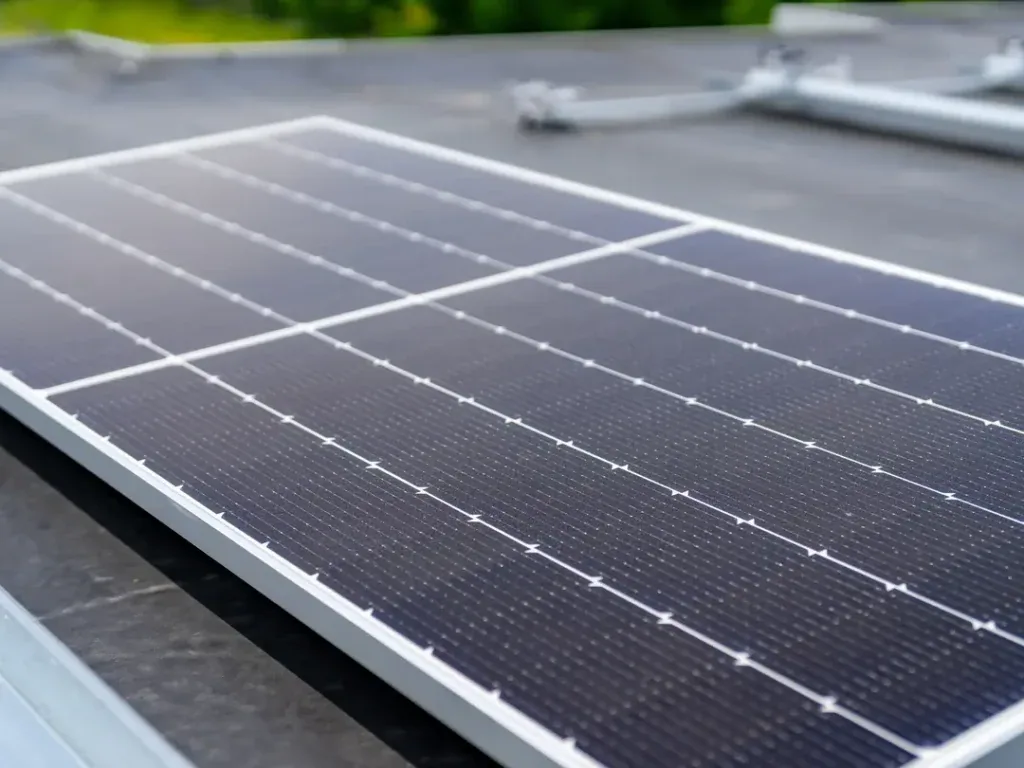
Nearby public inventories also identify the Joliet Army Reserve Center and Local Training Area in Elwood, where Army Reserve sources list maintenance support activity and a facility with rainwater management and a solar array. The Aurora Municipal Airport industrial area is commercial and industrial, not a military installation. We keep those places and missions distinct. Project-specific scope, security rules and approved drawings govern the roofing work. A military property roof review can help define the assembly and access questions before a bid is finalized.
Aurora Municipal Airport Industrial Area
Army Installation Roofing
National Guard Armory Roofing
VA Medical Center Roofing
Commercial Roof Condition Reports
Commercial Roof Insulation and Cover Board
Commercial Roof Insurance Claim Assistance
Commercial Roof Asset Management
Commercial Roof Capital Planning
What access steps govern the work?
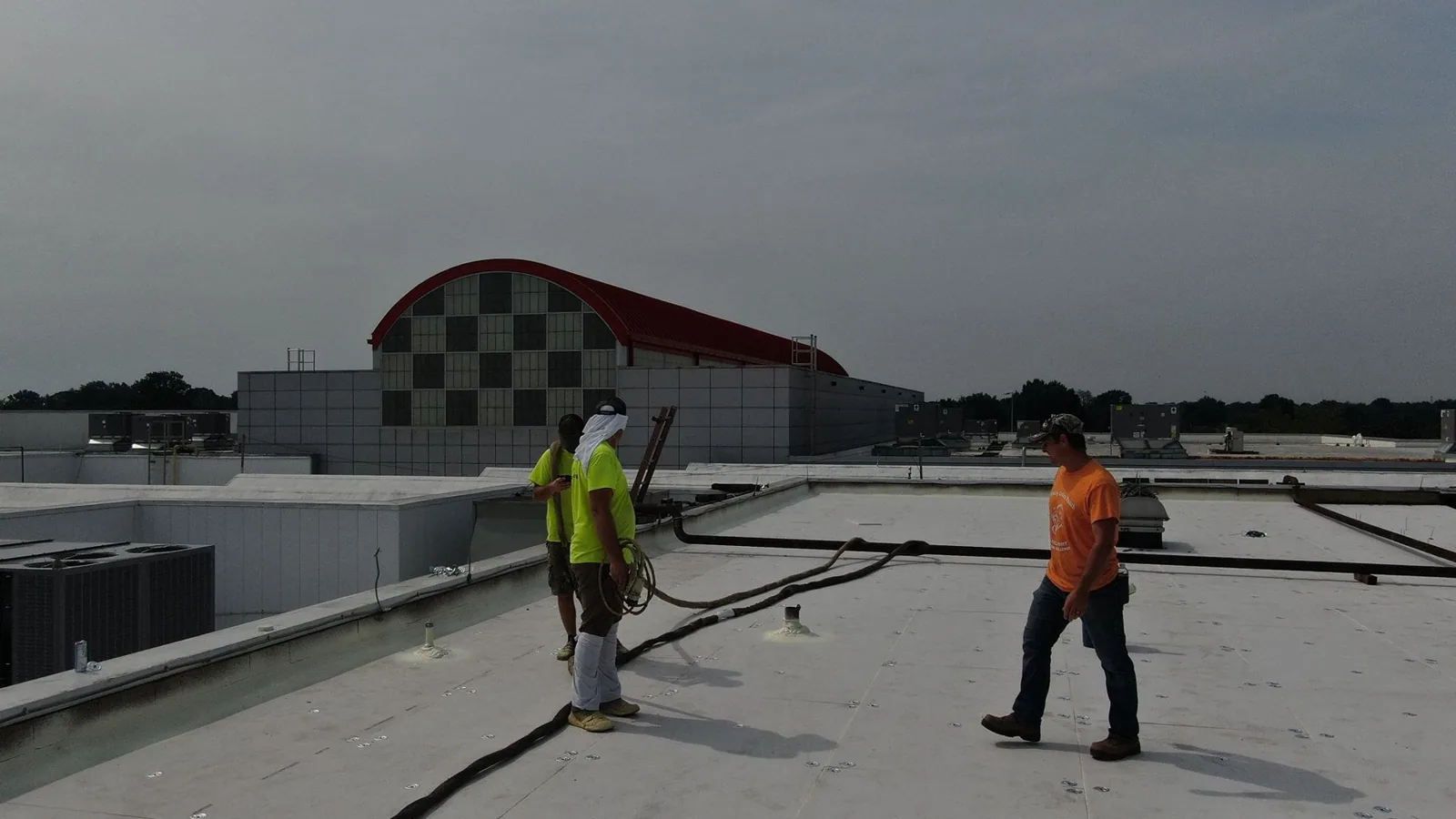
Base access, escort procedures, badging, vehicle screening and delivery windows are set by the installation and contract documents. We gather the required personnel and vehicle information through the designated point of contact and schedule arrival around those rules. The work plan identifies roof access, staging, material inspection and the route from gate to building. We do not assume that approval for one site, project or person transfers to another. Any wait for access is noted in the schedule so the owner can distinguish site constraints from roofing production.
Mission schedules can limit noise, crane operations, roof entry or work near sensitive spaces. The facility representative identifies operational windows, restricted zones, emergency contacts and any stop-work procedure. We coordinate daily start and closeout times, then secure material and temporary protection before leaving. When an escort must remain with the crew, that requirement affects crew movement and sequencing. The schedule records these controls before mobilization and provides a point of contact for changes during the workday.
What roof condition needs to be documented?
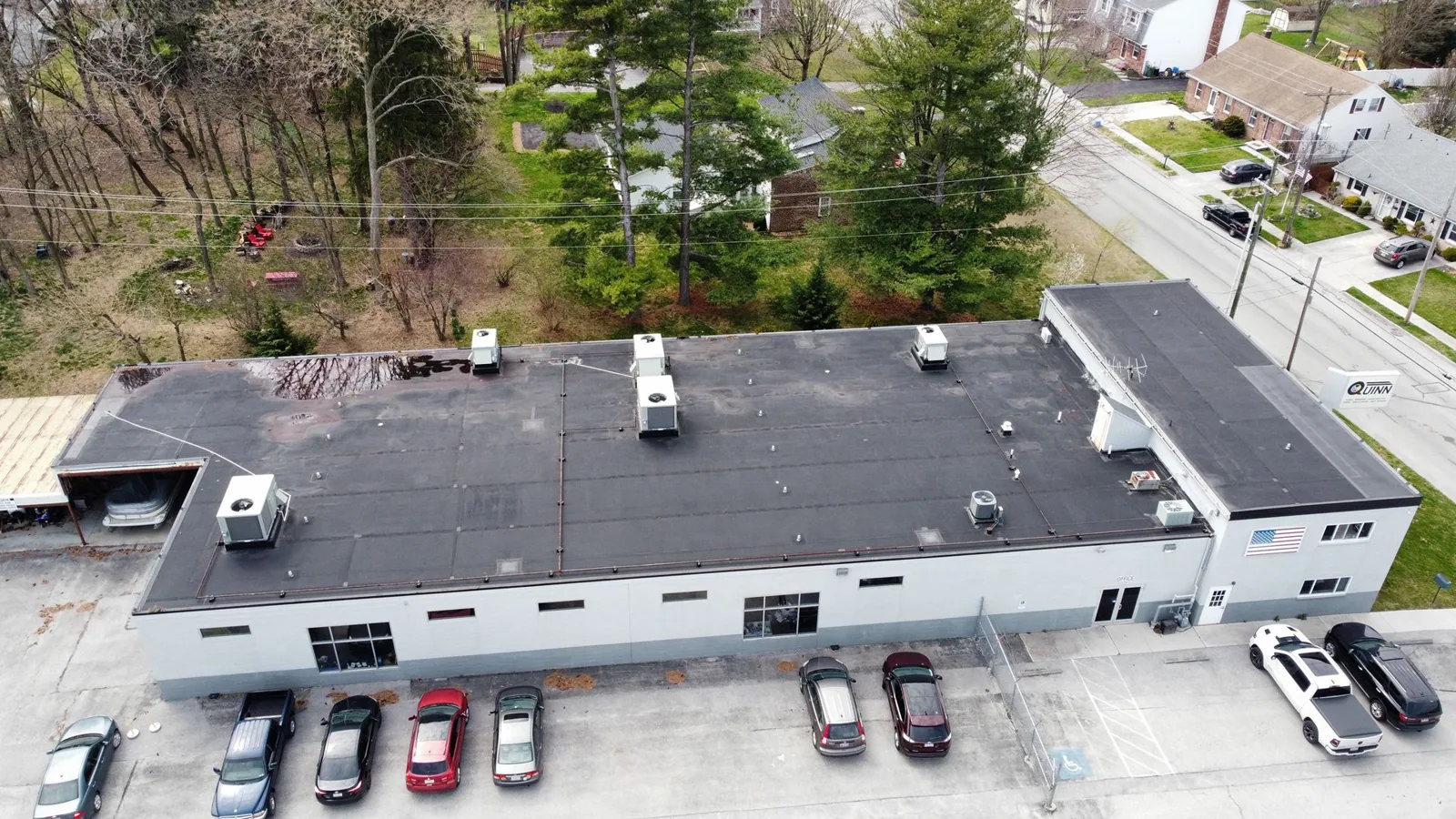
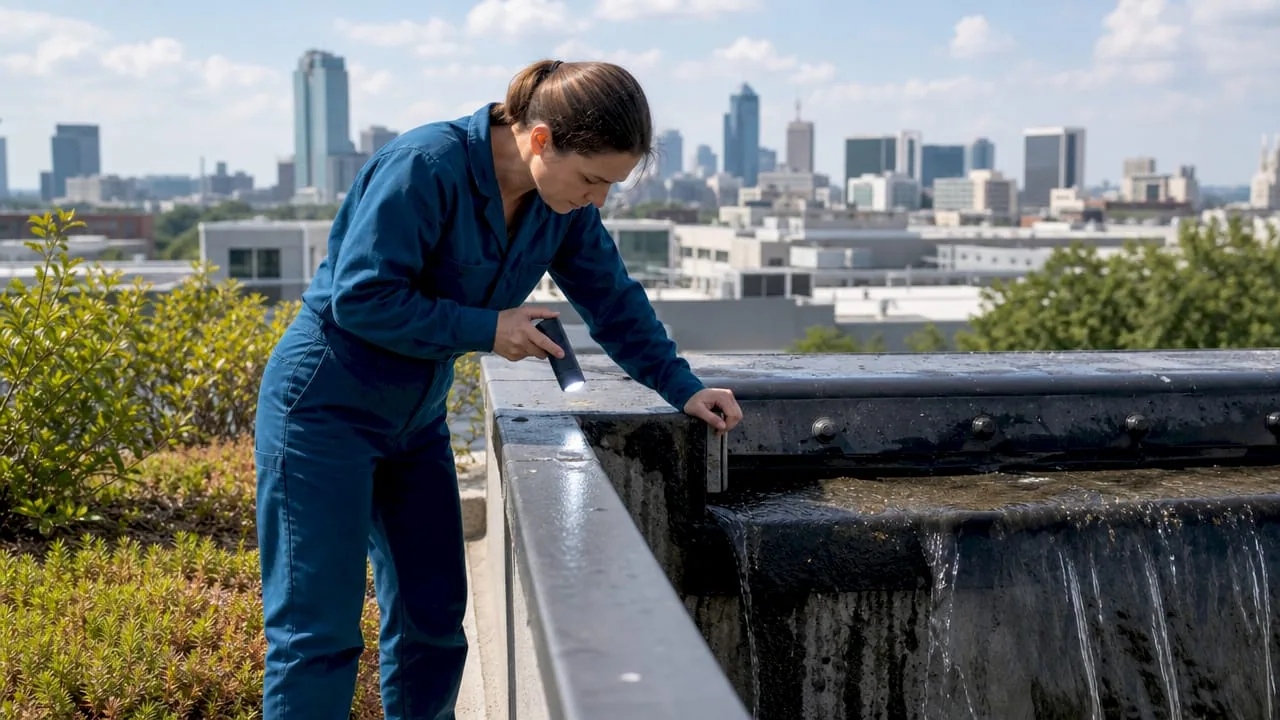
The inspection follows roof sections and records membrane, seams, flashing, drains, penetrations, attachment, deck observations and prior repairs available to the owner. We photograph the condition, map test locations and separate confirmed damage from areas not opened. At an armory such as the Aurora Readiness Center, the facility inventory establishes the use category but not roof construction or condition. Drawings and field checks determine those details. The scope identifies the approved quantity and any structural or moisture testing needed before repair.
A maintenance building, training facility and hospital each create distinct roof-access and operating concerns. Joliet's Local Training Area has an identified Area Maintenance Support Activity, while the Hines VA campus contains hospital, extended-care and clinical buildings. We do not infer that roofing assemblies match across those uses. A readiness-center roof assessment can document the armory details; a VA medical facility scope must address its actual building conditions and service requirements.
Which assembly requirements apply?
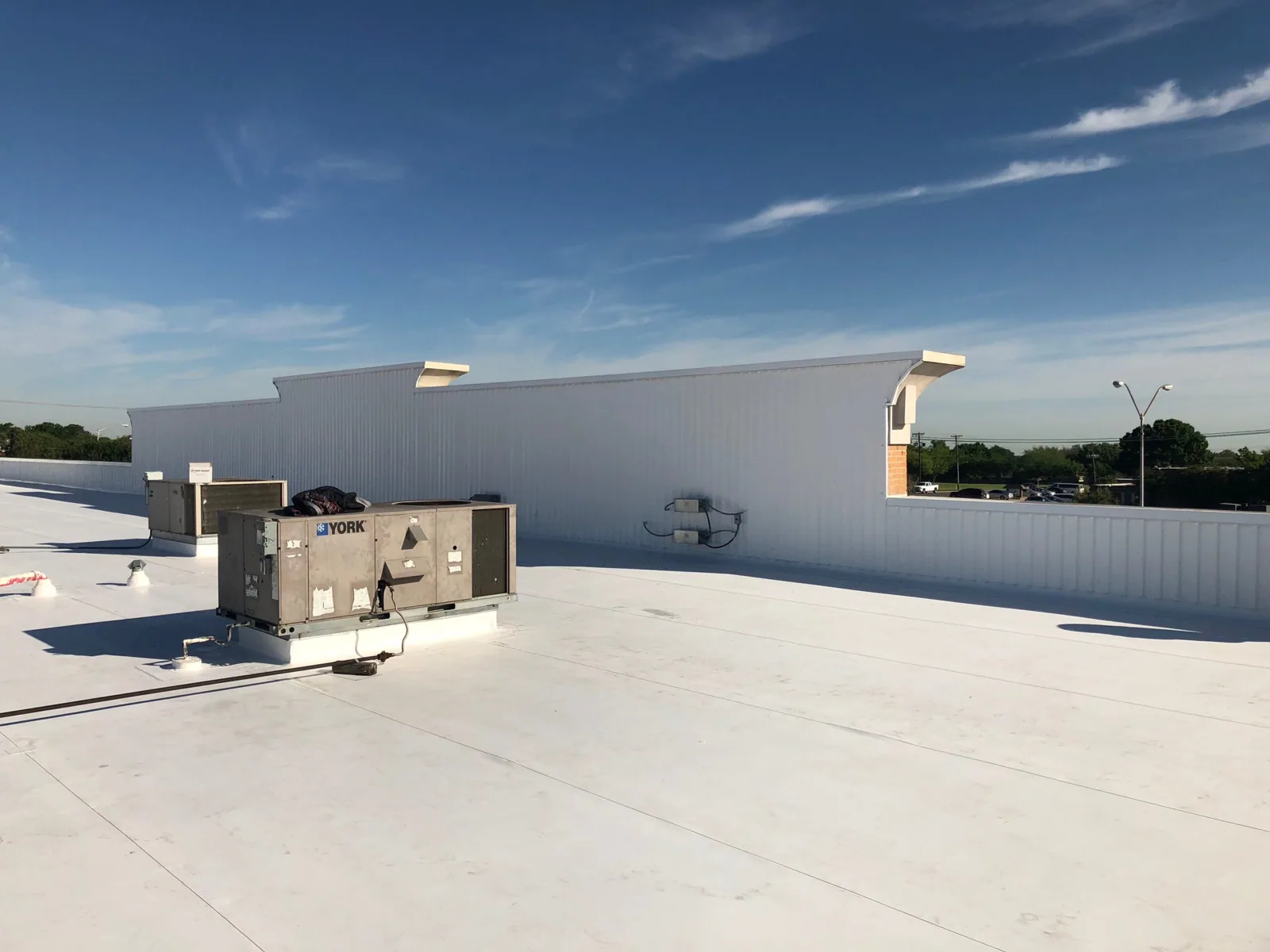
Military roofing projects may specify Unified Facilities Criteria for roofing, system assemblies, attachment, wind design, materials and quality checks. The contract documents and design team identify the applicable criteria and edition. We review submittals, field details, inspection points and closeout records against that project requirement. The specified system may require documented testing or installation steps. We do not substitute a familiar commercial detail where the approved drawings or project specification call for a different assembly.
Existing roof conditions still shape the repair boundary. Moisture tests, deck attachment, drainage and curb details establish whether work can remain localized or whether a broader section needs review. If the scope crosses an occupied building or connects to equipment, we coordinate access and outage windows with site staff. A roof condition report can identify observed facts, tested areas and unresolved questions without combining them into an unsupported site-wide conclusion. A roof assembly review can connect those tests with proposed details. A documentation scope is separate from contract quality records and owner approvals.
How are roofing sections phased?
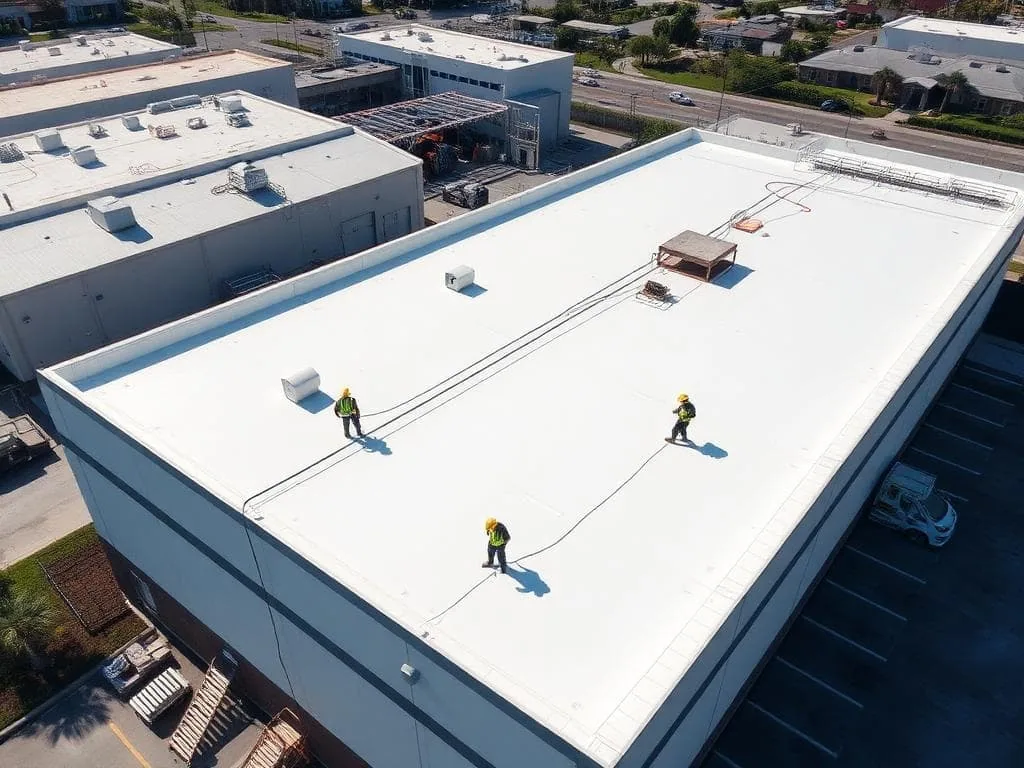
We divide work by roof geometry, drain paths, operational zones and the approved schedule. Each phase identifies the material movement route, temporary dry-in boundary, inspection hold points and when the area returns to facility control. Rain, wind and cold can change installation conditions, so the work plan includes a pause and protection procedure. If the site restricts crane placement or roof access during a mission window, the sequence reflects that limit before crews and materials are dispatched.
Aurora averages about 121 days below freezing each year and receives about 37.7 inches of precipitation annually. Those climate conditions affect material handling, drainage and the timing of exposed-roof work, but project specifications and current field conditions govern installation. We protect each open section at shift boundaries and document completed details before moving the work zone. The facility contact receives a daily update showing work completed, next access point and any change requiring approval.
What must closeout include?
Closeout follows the contract: approved submittals, product data, inspection records, photographs, test results, approved changes and roof plans that identify completed work. We record any concealed condition that changed quantity and the official who authorized the change. Security-sensitive information stays within the channels and document controls specified by the project. The facility receives the required manuals, maintenance instructions and warranty records through the designated contract process.
Future maintenance needs a clear baseline for roof sections, repaired details, drains and follow-up dates. If an owner manages multiple sites, records remain separated by installation, building and project number. The roof asset record can track condition dates and approved quantities, while the capital plan can carry deferred work through the next funding cycle. Neither document replaces the installation's contract file or required maintenance system.
Can a commercial roofing contractor work on a military installation?
Eligibility, procurement and access depend on the solicitation and site requirements. The project documents identify required qualifications, clearances if any, badging, escorts and approved personnel. We review those requirements before proposing a schedule. A facility listing or commercial capability does not establish contract eligibility for a specific job.
Do you follow UFC roofing criteria?
We review the contract specifications and drawings to identify the Unified Facilities Criteria and other standards that apply to that project. The approved assembly and quality-control requirements govern submittals, field installation and closeout. The specific criteria should be named in the project documents before materials are selected.
What building types are in the local military inventory?
The Illinois inventory lists Aurora as an Army National Guard readiness-center and armory location. Army Reserve materials identify a Joliet center and local training area with maintenance support activity, while the Hines VA campus includes hospital and clinical buildings. Those records describe facility uses, not the roof assembly or condition at an individual structure.
How do escorts affect the roofing schedule?
The installation's access rules determine escort availability, movement, arrival windows and any work restrictions. We include those inputs in the daily sequence and identify the point of contact for changes. If access is delayed, the schedule records the constraint and the protection status of the active roof section.
What happens if concealed roof damage is found?
We secure the area, document the location, take photographs and measure the exposed condition. The crew follows the contract's notification and approval process before expanding the work quantity. The record identifies who authorized a change and how the affected section was restored.
Request a Roof Assessment
Provide the Aurora-area installation, building identifier, contracting contact, approved drawings and access requirements. We will review the roof condition and sequence the work around the site's contract, security and operational controls.
Call 555-555-5555 or send the form and we will set a time to walk the roof.